“For I have received of the Lord that which also I delivered unto you, That the Lord Jesus the same night in which he was betrayed took bread: And when he had given thanks, he brake it, and said, Take, eat: this is my body, which is broken for you: this do in remembrance of me. After the same manner also he took the cup, when he had supped, saying, This cup is the new testament in my blood: this do ye, as oft as ye drink it, in remembrance of me. For as often as ye eat this bread, and drink this cup, ye do shew the Lord’s death till he come.” (1 Corinthians 11:23-26 KJV)
Introduction: Why This Study Matters So Much Today
Have you ever sat through a Lord’s Supper (or Communion) service and felt a subtle pressure in your chest — that if you don’t partake “worthily,” something bad might happen to you? Have you left the table wondering if you examined yourself enough, confessed enough sins beforehand, or approached the elements with the right attitude? Or have you watched as the bread and cup are passed with hushed reverence, solemn warnings, and sometimes even a call to self-judgment that feels more like fear than joy?
If you’ve sat through countless services where the elements are treated like a sacred ritual that somehow maintains your standing with God, you might quietly ask: Is this what the Apostle Paul intended for the Body of Christ in this dispensation of the grace of God? Or have we, like the Galatians of old, been bewitched into mixing law and grace, kingdom shadows and mystery truth, turning a simple memorial into a religious performance that actually robs us of the very liberty Paul fought so hard to protect?
We will examine what Paul actually received from the risen Lord, the chaos in Corinth that prompted the correction, the often-misunderstood warning about weakness, sickness, and sleep (with special emphasis on why that judgment was connected to the transitional period), why churches today should still observe this simple memorial even though Paul only corrected one assembly about it, how it fits perfectly into our identity as new creatures in Christ, common misconceptions that have turned a blessing into a burden, practical ways to keep it as a blessing rather than a burden, and how it connects to the broader truths of forgiveness, reconciliation, the one Body, standing fast in liberty, and the unsearchable riches of Christ revealed in Paul’s thirteen epistles.
The Last Supper in the Gospels – Kingdom Context for Israel
To understand what the Lord’s Supper is for us today, we must first see what it was not. In the Gospels, Jesus shared the bread and cup with His disciples the night He was betrayed. That event happened during the Passover meal, squarely under the kingdom program He was offering to Israel at that time.
Jesus was the minister of the circumcision (Romans 15:8), sent to confirm the promises made unto the fathers. The Passover itself was a Jewish ordinance pointing back to deliverance from Egypt and forward to the greater deliverance the Messiah would bring. The bread and cup in that context were part of preparing Israel for their King and the coming earthly kingdom.
“And he took bread, and gave thanks, and brake it, and gave unto them, saying, This is my body which is given for you: this do in remembrance of me. Likewise also the cup after supper, saying, This cup is the new testament in my blood, which is shed for you.” (Luke 22:19-20 KJV)
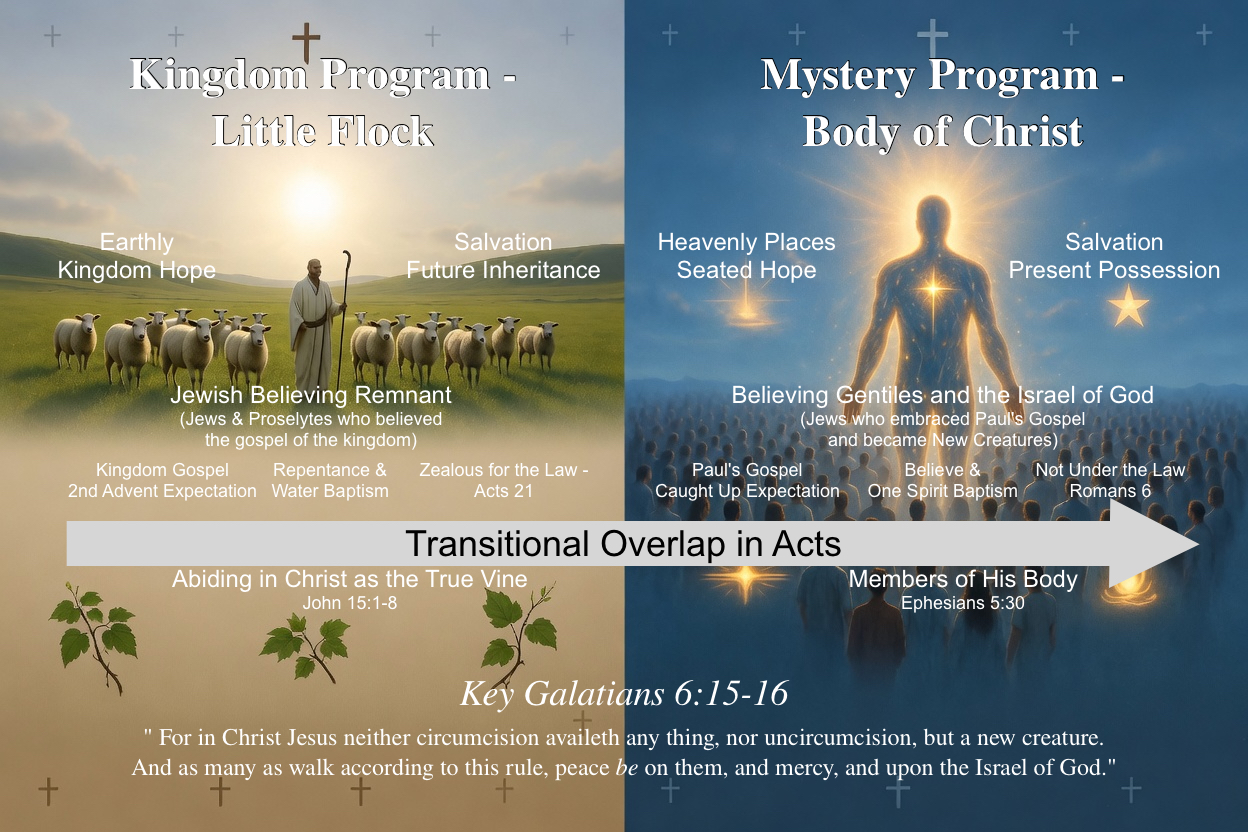
This was kingdom instruction for the little flock, tied to the earthly promises. Jesus himself sets the context with the little flock to the promised earthly kingdom. He was not talking about Heaven.
"But I say unto you, I will not drink henceforth of this fruit of the vine, until that day when I drink it new with you in my Father’s kingdom." (Matthew 26:29 KJV)
In the following verses, Jesus tells them that the sheep of the flock shall be scattered, referring to the little flock (Luke 12:32).
" Then saith Jesus unto them, All ye shall be offended because of me this night: for it is written, I will smite the shepherd, and the sheep of the flock shall be scattered abroad. But after I am risen again, I will go before you into Galilee." (Matthew 26:31-32 KJV)
This was not about the communion of the body of Christ. The mystery of the body of Christ was not even revealed and didn’t exist at the time. The focus was on the coming kingdom and the new covenant for Israel. Jesus was still operating as the minister of the circumcision, and the disciples were expecting the restoration of the kingdom to Israel (Acts 1:6).
The Lord’s Supper in the Gospels was connected to the prophetic program spoken since the world began. It looked forward to the earthly kingdom and the fulfillment of Old Testament promises. The eleven apostles were sent with water baptism and “signs following” (Mark 16:15-20). Everything was still tied to Israel’s hope. The Great Commission in Matthew 28 and Mark 16 was still operating under the kingdom gospel with baptism and signs. The twelve were to teach all nations to observe all that Jesus had commanded them during His earthly ministry — which included law, repentance, and the earthly hope.
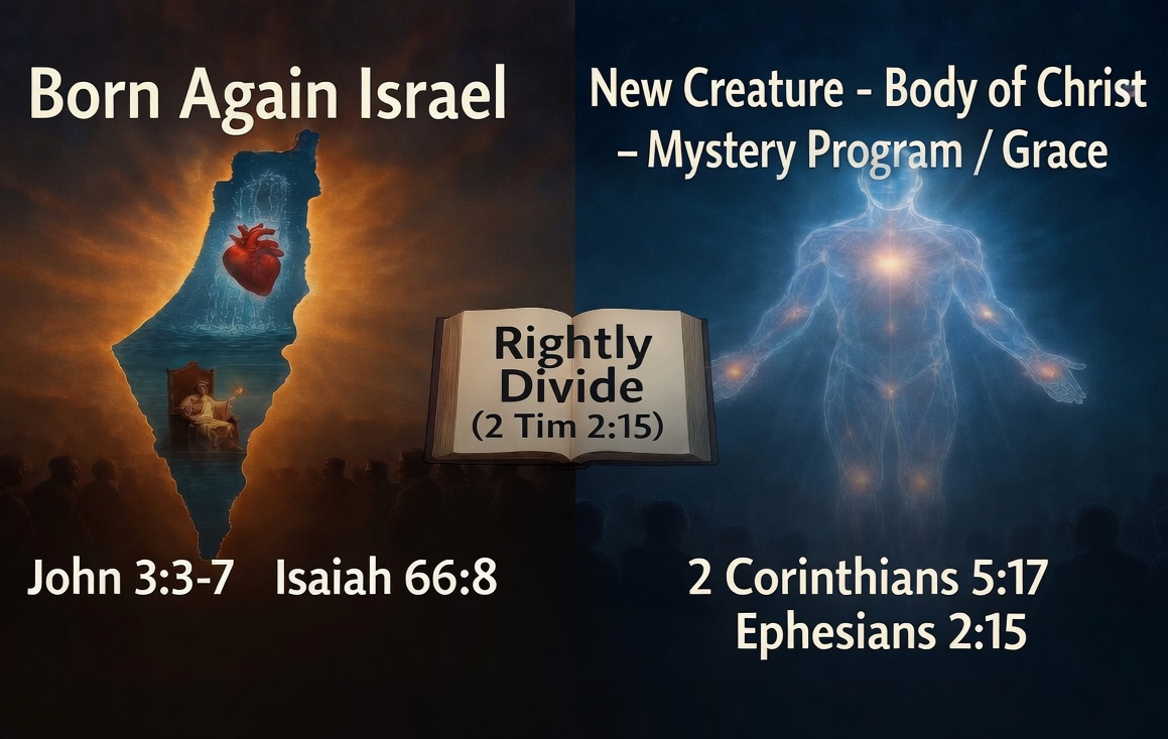
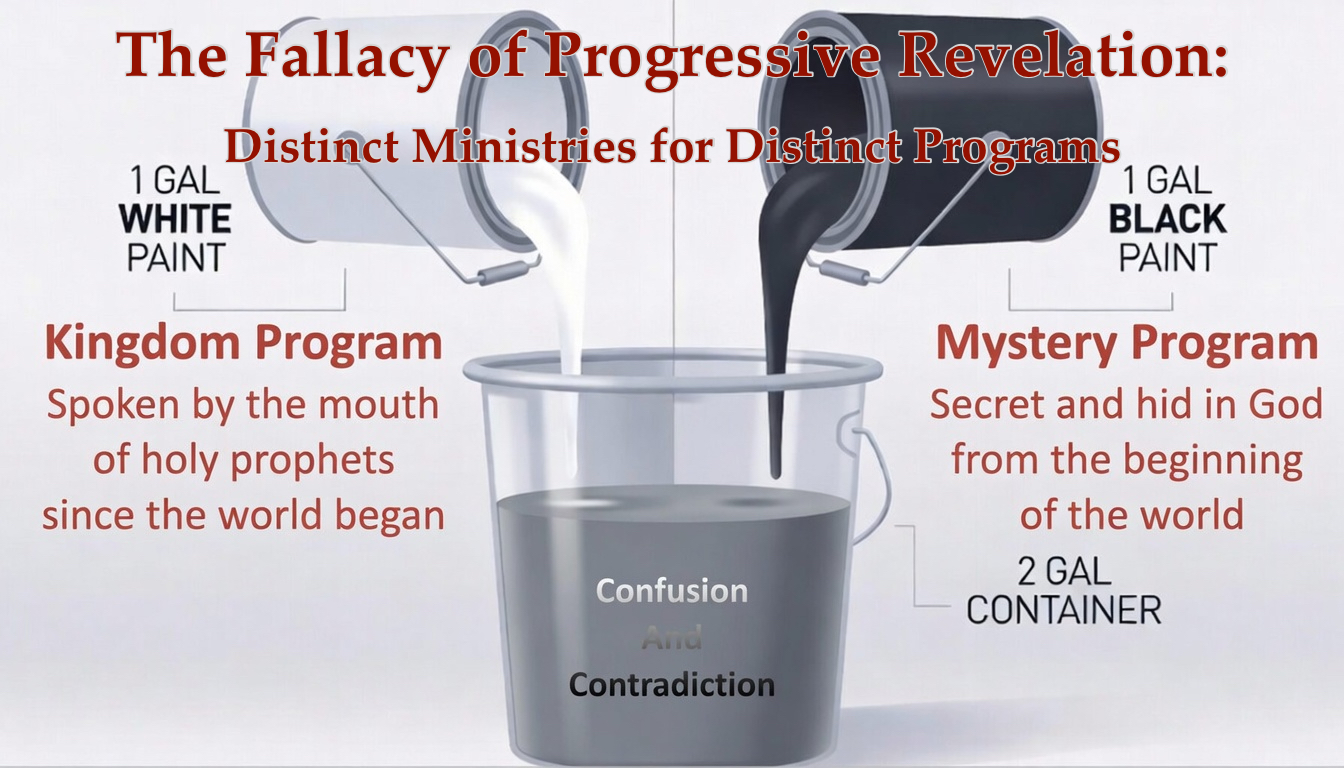
This is a completely different program from what Paul later received. Mixing the two creates the confusion we see in so many churches today, where the Lord’s Supper is treated like a new covenant ritual that somehow maintains standing or imparts grace. Right division keeps the programs separate so we can enjoy the distinct blessings of this age of grace without the yoke of bondage.
Paul’s Distinct Revelation – Received from the Risen Lord for Grace Believers
“Now I praise you, brethren, that ye remember me in all things, and keep the ordinances, as I delivered them to you.” (1 Corinthians 11:2 KJV)
Paul begins this section with warm praise. The Corinthians were remembering him and keeping the ordinances (literally “traditions” or “patterns”) he had delivered to them. This is important. Right after this praise, Paul launches into the corrective section on the Lord’s Supper. He is not giving them a brand-new religious law or a set of kingdom rituals. He is reminding them of the practical instructions for order that he had already delivered for the churches in this dispensation of grace.
What Does “Ordinances” Mean Here?
The word “ordinances” in 1 Corinthians 11:2 does not mean religious ceremonies, holy days, or Old Testament-style laws. It simply means the instructions for orderly conduct in the local assembly. Paul uses the same idea when he tells Titus:
“For this cause left I thee in Crete, that thou shouldest set in order the things that are wanting…” (Titus 1:5)
Paul’s “ordinances” were practical patterns for how the churches should function — decency, order, unity, and proper behavior — so that everything would be done “decently and in order” (1 Corinthians 14:40). The Lord’s Supper was one of those delivered patterns, not a sacrament to earn favor with God.
This fits the whole Pauline pattern. The Body of Christ is not under any system of “keeping of days.” Paul makes that crystal clear:
“Ye observe days, and months, and times, and years. I am afraid of you, lest I have bestowed upon you labour in vain.” (Galatians 4:10-11)
“Let no man therefore judge you in meat, or in drink, or in respect of an holyday, or of the new moon, or of the sabbath days: Which are a shadow of things to come; but the body is of Christ.” (Colossians 2:16-17)
We are not observing holy days, feasts, new moons, or sabbaths. We are living in the reality — the new creature where Christ Himself is our life. The “ordinances” Paul delivered were never meant to become a new religious calendar or ritual system. They were simple, grace-based instructions for how the one Body should function together.
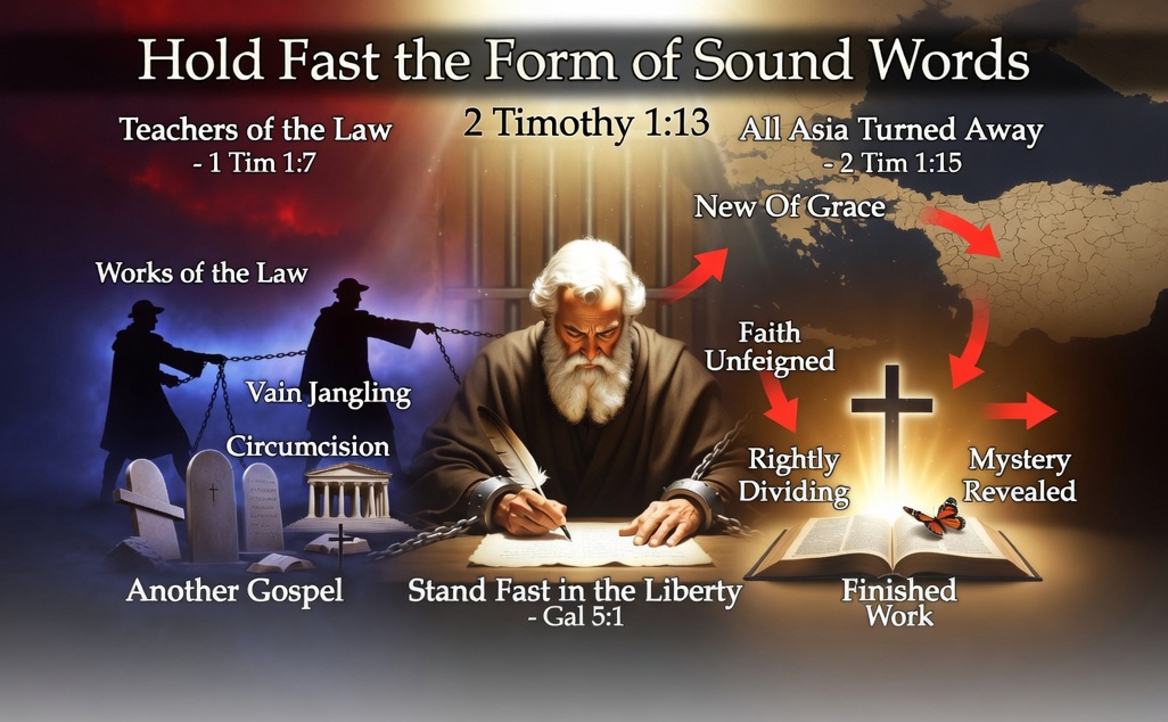
The Lord’s Supper is purely a Pauline truth. It is not carried over from the Gospels or the kingdom program. Paul received it directly from the risen, glorified Christ and delivered it to the churches as part of the “pattern of sound words” (2 Timothy 1:13).
“For I have received of the Lord that which also I delivered unto you, That the Lord Jesus the same night in which he was betrayed took bread…” (1 Corinthians 11:23 KJV)
Notice the flow: Paul praises them for keeping what he delivered (v. 2), then immediately corrects their abuse of the very thing he had delivered — the Lord’s Supper. The “ordinances” here are not a list of religious rituals to earn favor with God. They are the patterns of doctrine and practice Paul gave for the Body of Christ to walk in grace, liberty, and order.
But Paul tells us something completely distinct for this dispensation of the grace of God:
“For I have received of the Lord that which also I delivered unto you, That the Lord Jesus the same night in which he was betrayed took bread: And when he had given thanks, he brake it, and said, Take, eat: this is my body, which is broken for you: this do in remembrance of me. After the same manner also he took the cup, when he had supped, saying, This cup is the new testament in my blood: this do ye, as oft as ye drink it, in remembrance of me. For as often as ye eat this bread, and drink this cup, ye do shew the Lord’s death till he come.” (1 Corinthians 11:23-26 KJV)
This instruction came directly from the risen, glorified Christ to Paul for the churches. The Lord’s Supper (or “communion” / “Lord’s Table”) is purely a Pauline truth.
"The cup of blessing which we bless, is it not the communion of the blood of Christ? The bread which we break, is it not the communion of the body of Christ? For we being many are one bread, and one body: for we are all partakers of that one bread." (1 Corinthians 10:16-17 KJV)
Paul is teaching the one body truth revealed in the revelation of the mystery. Paul uses the Lord’s table in connection with the fellowship of the body of Christ, the fellowship of the mystery (Ephesians 3:9).
“But I say, that the things which the Gentiles sacrifice, they sacrifice to devils, and not to God: and I would not that ye should have fellowship with devils. Ye cannot drink the cup of the Lord, and the cup of devils: ye cannot be partakers of the Lord’s table, and of the table of devils." (1 Corinthians 10:20-21 KJV)
This is why right division is essential. Many read “ordinances” in 1 Corinthians 11:2 and assume it means water baptism, tithing, holy days, or some ongoing law. But Paul is talking about the traditions he personally delivered for this age — including this simple memorial meal.
Paul is not putting the Corinthians (or us) under the New Covenant or any kingdom ordinance. He is giving them a gracious reminder for the one Body. The praise in verse 2 sets the tone: they were doing many things right according to what Paul delivered, but they were messing up this particular practice in a serious way. That sets up the strong correction that follows.
Why Paul Received This Directly from the Risen Lord
The Lord’s Supper is not something Jesus instituted for the twelve during His earthly ministry as a perpetual church sacrament. In the Gospels it was tied to the Passover and the coming kingdom. Paul makes it clear he received this instruction from the risen Christ specifically for the churches in this dispensation.
Jesus was not having the Lord’s Supper with the twelve. He was observing the Passover supper with the little flock that was anticipating the promised earthly kingdom.
"And he said unto them, With desire I have desired to eat this passover with you before I suffer: For I say unto you, I will not any more eat thereof, until it be fulfilled in the kingdom of God. And he took the cup, and gave thanks, and said, Take this, and divide it among yourselves: For I say unto you, I will not drink of the fruit of the vine, until the kingdom of God shall come." (Luke 22:15-18 KJV)
You won’t find Paul commanding every assembly to observe it as a weekly sacrament or religious law or as an ordinance. He addresses it only to correct serious abuse in Corinth.
Why is this important? Because it shows the progression of revelation. The mystery was being unfolded. What was a kingdom shadow in the Gospels becomes a grace memorial in Paul’s epistles. Paul received it from the Lord for us in this age where we are new creatures, already forgiven of all trespasses, already complete in Christ.
This is not a carry-over from the earthly ministry or a new “law” for the church. It is a simple, orderly remembrance that magnifies the cross and the one Body. The focus is not on the physical elements but on proclaiming the Lord’s death until He comes. Paul never turns it into a sacrament that imparts additional grace or a test that determines standing before God. We are already standing in grace (Romans 5:2). We are already accepted in the Beloved (Ephesians 1:6). The table simply reminds us of that glorious reality.
This distinction protects us from mixing programs. The blood of Christ that instituted the New Covenant for Israel is the same blood that reconciles us to God apart from any covenant (2 Corinthians 5:18-21). We are not covenant people — we are new creatures (2 Corinthians 5:17; Galatians 6:15). The Lord’s Supper reminds us of that finished work and our common union in the one Body.
Paul praises the Corinthians for remembering the patterns he delivered, then corrects their abuse of one of those patterns. That is classic Pauline pastoral ministry: commend what is right, correct what is wrong, all while pointing them back to grace and the one Body.
Have you ever felt pressured by the word “ordinances” in this verse, as if Paul is loading you down with religious duties or holy days? Or have you seen the beautiful freedom here — that the things Paul delivered are meant to produce order, unity, and joyful remembrance in the Body of Christ, not bondage?
This verse (11:2) is the perfect setup for the Lord’s Supper section. Paul is not inventing a new ritual or reinstating kingdom shadows. He is reminding them of what he had already taught them — and they were failing to practice it in a way that showed the Lord’s death and discerned the one Body.
The praise in verse 2 makes the rebuke that follows even sharper. They were keeping many of Paul’s delivered patterns, but this one they were turning into something carnal and divisive. That failure led to the serious warning in the verses ahead — a warning we will examine carefully, keeping the transitional context in view.
The Corinthian Abuse – Carnality Instead of Discernment of the Body
The Corinthians had turned the gathering into a carnal feast — some eating their own supper ahead of others, getting drunk, and despising the poorer members of the assembly (1 Corinthians 11:17-22). They were failing to discern the body — the one Body of Christ where there is no distinction (1 Corinthians 10:16-17; 11:29).
Paul rebukes them sharply:
“When ye come together therefore into one place, this is not to eat the Lord’s supper. For in eating every one taketh before other his own supper: and one is hungry, and another is drunken. What? have ye not houses to eat and to drink in? or despise ye the church of God, and shame them that have not?” (1 Corinthians 11:20-22 KJV)
They were not remembering the Lord — they were pleasing themselves. This failure to discern the one Body brought real consequences during that transitional time.
Let’s slow down and really feel the weight of what was happening in Corinth. The church at Corinth was not coming together “for the better, but for the worse” (v. 17). Instead of a memorial that showed the Lord’s death and the unity of the one Body, they turned the gathering into a selfish, gluttonous party.
They had the elements — the bread and the cup — but they completely missed the point. The physical food became an occasion for division, pride, and neglect of the poorer saints. Some rushed ahead and ate their fill (or got drunk), while others who had nothing went home hungry. This was not a small cultural quirk. It was a direct contradiction of the very gospel of grace Paul had delivered to them.
Think about the social makeup of that assembly. There were likely Jews and Gentiles, rich and poor, masters and servants, and possibly some unsaved people or false brethren mixed in. In a culture where social status meant everything, these believers were supposed to be demonstrating something radically different: the one new man in Christ where “there is neither Jew nor Greek, there is neither bond nor free” (Galatians 3:28). Instead, they brought the old divisions right to the table.
This is why Paul says, “this is not to eat the Lord’s supper” (v. 20). It wasn’t just bad manners. It was a failure to show the Lord’s death. The Lord’s Supper was meant to proclaim His sacrificial love — the same mind that caused Him to give Himself for others even on the night He was betrayed. But the Corinthians were doing the exact opposite.
The abuse wasn’t primarily about the bread and cup themselves. It was about their heart attitude and their failure to discern the Lord’s Body — that spiritual reality of one Body made up of many members. When they ate selfishly, they were despising the church of God and shaming those who had nothing.
This sets up the strong warning that follows. Their carnality was so serious that it brought consequences in that local assembly. But as we’ll see, those consequences were tied to the unique transitional time in which the Corinthian church existed — a time when signs, gifts, and immediate divine dealings were still operating while the mystery was being fully revealed.
Have you ever seen something similar in modern church gatherings? Maybe not drunkenness at the table, but subtle divisions based on wealth, status, race, or social cliques? Or perhaps a focus on the ritual itself while ignoring the suffering or needs of other members of the Body? Paul’s rebuke cuts across the centuries and calls us back to the simple, unifying truth of the one Body.
The Corinthians had the right elements on the table, but they had the wrong heart. They had the doctrine of grace in their ears, but they were living like they were still under the old creation with all its divisions and selfishness. That’s the core of the abuse Paul corrects.
And that sets the stage for the deep dive into the warning about weakness, sickness, and “many sleep” — a warning that only makes sense when we understand the transitional context in which it was given.
Deep Dive into “Many Are Weak and Sickly... and Many Sleep” (1 Corinthians 11:30) – Why the Judgment Was Connected to the Transition
This verse has caused much fear and confusion down through the years:
“For this cause many are weak and sickly among you, and many sleep.” (1 Corinthians 11:30 KJV)
Have you ever heard someone use this verse to suggest that if you partake of the Lord’s Supper with unconfessed sin, or without “proper examination,” God might make you sick or even take you home early? That kind of teaching turns a corrective letter into a constant source of dread. But when we let Paul explain himself in context — the picture becomes clear, freeing, and consistent with right division.
Paul is describing divine chastening (discipline) on that specific local assembly during the transitional period when signs, judgment, and apostolic confirmation were still operating. The spiritual gifts associated with the kingdom blessings that were given to the Gentiles in the early church to provoke Israel to jealousy were being abused by the Corinthians. They were using them selfishly when they were given to profit withal (1Corinthans 12:7).
" To another faith by the same Spirit; to another the gifts of healing by the same Spirit; To another the working of miracles; to another prophecy; to another discerning of spirits; to another divers kinds of tongues; to another the interpretation of tongues:" (1 Corinthians 12:9-10 KJV)
The Corinthians were acting carnally and divisively — treating the Lord’s Supper like a selfish party instead of remembering the one Body and the finished work of Christ. God was judging their disorder in the assembly.
Justin Johnson of Grace Ambassadors explains it powerfully in his lesson on 1 Corinthians 11:
“For this cause many are weak and sickly among you, and many sleep.” ... You can never find an example of God giving physical punishment and retribution in the dispensation of grace. You cannot find it anywhere to a believer.
“This is a result of the neglect of the duty of the Corinthians against their fellow members in the body of Christ. ... The Corinthians were not doing this [remembering the poor, supporting the weak]. ... there are people who could heal and there are people that are sick among you. What's the deal?”
The weakness, sickness, and “many sleep” (early death) were not God randomly striking believers for “unworthy” participation in a ritual. They were the direct result of the church’s failure to discern and care for the Lord’s Body — the poorer, weaker members who were being neglected while others feasted and got drunk.
Justin continues:
“there were people in Corinth apparently who had the gift of healing by the Spirit. ... If they could heal, and there are people who are weak and sickly and many sleep there, why aren't they being addressed? ... The powers weren't given for themselves.”
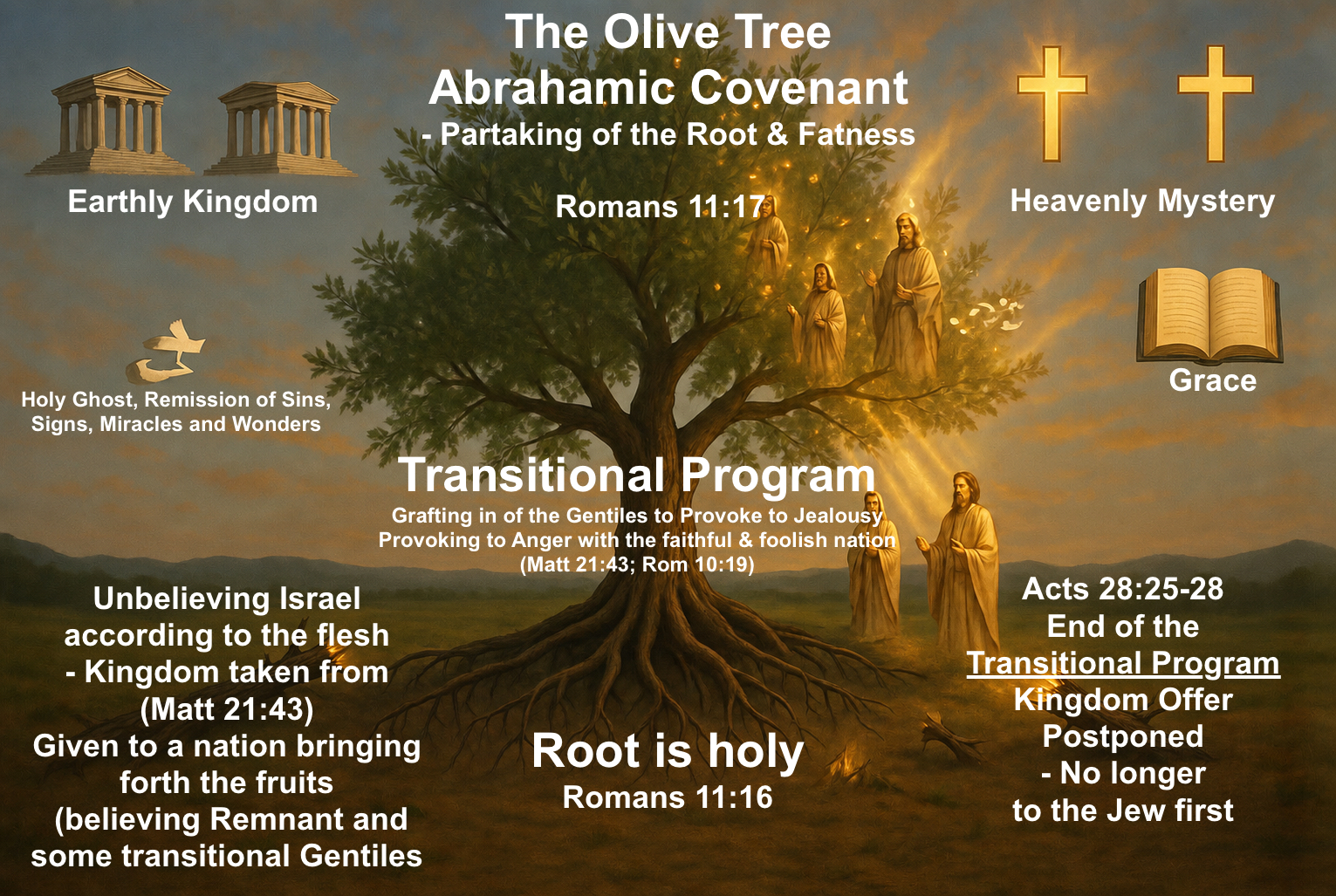
Why was this judgment connected to the transition? Because the early chapters of Acts were a unique time of overlap. The kingdom offer to Israel was still open, the mystery was being progressively revealed through Paul, and God was using signs and immediate consequences to confirm the word while provoking Israel to jealousy (Romans 11:11, 14). During this overlap, the programs ran side by side. Signs followed those who believed (Mark 16:17-20), and judgment could fall quickly when the assembly dishonored the truth.
We see this pattern throughout early Acts: Ananias and Sapphira lied to the Holy Ghost and were immediately taken home (Acts 5). The Lord confirmed the word with signs and wonders (Acts 14:3). Paul performed the signs of an apostle (2 Corinthians 12:12). But as Israel nationally fell into blindness (Romans 11:7-11, 25; Acts 28:28), the confirming signs gradually faded, and the full mystery stood complete in Paul’s prison epistles.
In Corinth, the abuse of the Lord’s Supper was a serious failure to discern the one Body during this sensitive transition. God disciplined that assembly so the truth would stand clear. This was not a pattern for today. Once the mystery was fully revealed and Israel’s blindness was confirmed, we live under the completed revelation of grace. We are not under the same immediate judgment because the transitional signs and confirmations have served their purpose.
During the overlap, the two programs ran side by side. The kingdom program (with its signs and chastening) was still winding down, while the grace program (the one Body, the mystery) was being fully revealed through Paul. God used immediate discipline in Corinth to correct serious disorder and protect the testimony of the church during that sensitive time. It was not a universal rule for the completed dispensation of grace.
Justin Johnson from Grace Ambassadors makes this contrast crystal clear:
“We're living in a time of God's offering of grace and peace, and he is not killing people in verse 30.”
“There's never an earthly, there's never a physical chastising. ... You never read a biblical pattern of that in the dispensation of grace.”
“The only judgment that the believer goes through is the judgment in 1 Corinthians 3 and in Romans 14 with the Lord. ... When we are judged, we are chastened of the Lord — that’s the judgment seat, not physical punishment now.”
Today we rest in the finished work — we are already forgiven of all trespasses (Colossians 2:13), complete in Him (Colossians 2:10), seated in heavenly places (Ephesians 2:6), and accepted in the Beloved (Ephesians 1:6).
We do not live under the same immediate, visible chastening the Corinthians experienced. Our “chastening” is the loving correction of the Word and the future evaluation at the judgment seat of Christ (where works, not salvation, are in view).
The remedy Paul gives is not more careful ritual or fear-based self-examination for sins. It is self-judgment regarding our identity and attitude toward the Body:
“For if we would judge ourselves, we should not be judged. But when we are judged, we are chastened of the Lord, that we should not be condemned with the world.” (1 Corinthians 11:31-32 KJV)
Examine your heart. Recognize the unity of the one Body. Walk in the liberty and grace you already have in Christ. That’s the pattern for today.
Why Observe It If Paul Only Corrected One Church?
Paul does not write to the churches in Ephesus, Philippi, Colossae, Thessalonica, or Rome and command them to observe the Lord’s Supper on a set schedule. He doesn’t give a detailed ritual or mandate its frequency. So why should any church today observe it at all?
The answer is found in how Paul delivered doctrine and practice for all the churches in this dispensation of grace.
The Pattern Paul Delivered Was Meant for All Churches
Paul did not treat the Lord’s Supper as a one-time, local fix for Corinth only. He treated it as part of the pattern of sound words and the “ordinances” (instructions for order) he delivered for the churches. Notice how he opens the chapter:
“Now I praise you, brethren, that ye remember me in all things, and keep the ordinances, as I delivered them to you.” (1 Corinthians 11:2 KJV)
He immediately follows this with the Lord’s Supper instruction he “received of the Lord” and “delivered” to them (v. 23). This was not a private suggestion for Corinth. It was part of the body of truth Paul expected to be passed on.
Paul clearly expected his epistles to be read and applied in other churches as well. He gave specific instructions for circulation:
“And when this epistle is read among you, cause that it be read also in the church of the Laodiceans; and that ye likewise read the epistle from Laodicea.” (Colossians 4:16 KJV)
“I charge you by the Lord that this epistle be read unto all the holy brethren.” (1 Thessalonians 5:27 KJV)
Paul wrote to specific assemblies about specific problems, but he fully intended his letters to become the standard teaching and practice for the entire Body of Christ in this dispensation. He expected his teachings to be passed on through faithful men who would do the same.
"And the things that thou hast heard of me among many witnesses, the same commit thou to faithful men, who shall be able to teach others also." (2 Timothy 2:2 KJV)
The Lord’s Supper correction in 1 Corinthians 11 is no exception. It is part of the delivered pattern for orderly, unified gatherings that show the Lord’s death till He come.
Solid Reasons Grounded in Scripture
Even though Paul doesn’t command every assembly to do it weekly, the practice flows naturally from the truth he delivered for this dispensation. Here are several solid reasons:
- It is a direct instruction from the Lord through Paul — part of the pattern of sound words and the “ordinances” he delivered to the churches. Paul says, “I received of the Lord… and delivered unto you.” This makes it part of the pattern for all who follow Paul’s doctrine (2 Timothy 1:13; 1 Corinthians 11:2).
- It proclaims our common union in the one Body — visibly demonstrating the unity of the new creature where there is neither Jew nor Greek (Galatians 3:28; 1 Corinthians 10:17). When we gather around the table, we are showing the reality that we are “one bread, and one body” (1 Corinthians 10:17).
- It keeps the cross central — a testimony to the finished work that has reconciled us to God and to one another (2 Corinthians 5:18-20). Every time we partake, we “shew the Lord’s death till he come” (1 Corinthians 11:26).
- It calls for self-examination and order — protecting the assembly from the kind of carnality and division that brought weakness, sickness, and even early death to some in Corinth during that transitional time (1 Corinthians 14:40; 11:31-32).
The Lord’s Supper, as Paul delivered it, is for us in this dispensation of grace. It is a gracious memorial, not a mandatory law or a test of worthiness. Some assemblies may do it every gathering; others less frequently. The point is not ritual frequency — it is remembering Him with a heart of gratitude for the cross that has made us one new man.
Paul’s Broader Pattern for the Churches
Paul’s letters were never meant to stay in one city. He wrote to Corinth about head coverings, the Lord’s Supper, spiritual gifts, and resurrection — and expected those truths to shape all the churches. The same apostle who told the Colossians to read his letter in Laodicea and vice versa gave the Lord’s Supper instruction as part of the same body of truth. It is not a “Corinth-only” rule. It is part of the apostolic pattern for the Body of Christ.
This is consistent with how Paul handled other practices. He did not write a separate letter to every church about decency and order — he expected the instruction given to one to benefit all. The Lord’s Supper is the same. It is a beautiful, grace-based way for the churches to remember the cross and demonstrate their unity in the one Body.
Have you ever wondered why something addressed to one messy church still applies today? Because Paul wrote for the churches — plural — and expected his delivered patterns to be kept across the Body of Christ. The Lord’s Supper is not a kingdom ordinance or a religious test. It is a Pauline memorial that magnifies the unsearchable riches of Christ in this dispensation of grace.
Practical Grace Perspective for Today – How to Observe It with Liberty
When saints gather to break bread and drink the cup, how should we actually do it today under the dispensation of the grace of God? Paul does not give us a detailed liturgy, a required frequency, or a ritual checklist. He gives us a simple, grace-centered pattern that flows naturally from who we are in Christ.
Here is how we can observe the Lord’s Supper according to the pattern Paul delivered:
1. Gather with the Right Focus — Christ and Him Crucified
Keep the eyes of your heart fixed on the Lord Jesus and His finished work. The bread speaks of His body broken for us. The cup speaks of His blood shed for us. This is not about the physical elements themselves — it is about remembering the cross.
As often as we do it, we “shew the Lord’s death till he come” (1 Corinthians 11:26). We are proclaiming the greatest news in the universe: Christ died for our sins, was buried, and rose again the third day according to the Scriptures. The table is a visual sermon of the gospel of the grace of God.
2. Rejoice in the Reconciliation Already Accomplished
Come to the table rejoicing, not striving. We are already reconciled to God by the death of His Son (Romans 5:10; 2 Corinthians 5:18-20). There is nothing left to earn. The Lord’s Supper is not a means to get closer to God — it is a joyful reminder that we are already accepted in the Beloved (Ephesians 1:6).
This memorial magnifies grace, not performance. Come with thanksgiving in your heart. The blood has already done its work. The body has already been given. Rest in that finished reality.
3. Discern the Lord’s Body — We Are Members One of Another
This is the heart of Paul’s correction to Corinth. They failed to discern the one Body. When we gather around the table, we are to see each other as members of that same Body — no Jew/Gentile, rich/poor, master/servant, strong/weak distinctions (1 Corinthians 10:16-17; 12:12-27; Galatians 3:28).
Practical ways this looks today:
- Wait for one another (1 Corinthians 11:33) — show care and consideration.
- Make sure no one is left out or overlooked.
- Use the time to encourage, edify, and build up the weaker members.
- Remember that we are one bread and one body because we all partake of that one bread.
The Lord’s Supper is one of the clearest ways the local assembly visibly demonstrates the unity of the new creature.
4. Keep It Simple, Orderly, and Full of Thanksgiving
Paul’s pattern is decency and order (1 Corinthians 14:40), not pomp and circumstance. There is no need for:
- Elaborate rituals or special clothing
- Fear-based “worthiness” checks
- Long liturgies that turn it into a performance
A simple time of reading 1 Corinthians 11:23-26, giving thanks, breaking bread, and sharing the cup is more than enough. Some assemblies do it every Sunday gathering. Others do it monthly or as the Lord leads. The frequency is not commanded — the heart attitude is what matters.
The Lord’s Supper is not “Old Testament Christianity” or a kingdom ritual. It is a Pauline memorial that keeps the cross central and the Body unified in this dispensation of grace.
Common Misconceptions and How Right Division Fixes Them
Many believers have been taught that the Lord’s Supper is a “means of grace,” a test of personal holiness, or even a way to stay in good standing with God. Some fear that partaking “unworthily” will bring sickness, judgment, or loss of salvation. Others treat it like a weekly ritual that somehow imparts extra spiritual power or forgives recent sins. These ideas have turned a simple Pauline memorial into a source of guilt, fear, and religious performance for countless saints. Right division cuts through the confusion and sets us free.
Let’s look at the most common misconceptions and let Paul straighten them out.
- Misconception #1: The Lord’s Supper is a New Covenant ordinance for the Church today
Many assume that because Paul mentions the “new testament in my blood,” we are somehow under the New Covenant. They treat the Lord’s Supper like a Christian version of Passover.
Right Division Answer:
The New Covenant was promised to the house of Israel and the house of Judah (Jeremiah 31:31-34). It involves God putting His law in their inward parts, causing them to walk in His statutes, and remembering their sin no more — all in preparation for the earthly kingdom. Paul quotes the words but does not place the Body of Christ under that covenant.
The blood is the key point for us. Christ’s blood paid for the New Covenant promises to Israel, but that same blood gives us something far richer in the mystery: complete forgiveness, acceptance in the Beloved, and heavenly blessings without a covenant. We are not covenant people — we are new creatures (2 Corinthians 5:17).
- Misconception #2: You must examine your life for sin and confess everything before you can partake worthily, or you’ll eat and drink damnation to yourself
This is perhaps the most damaging error. Many believers sit in dread, searching their hearts for unconfessed sins before the elements come around.
Right Division Answer:
Paul is not telling us to dig up every sin. He is telling us to examine ourselves in light of who we are in Christ and whether we are discerning the Lord’s Body.
“Examine yourselves, whether ye be in the faith… Know ye not your own selves, how that Jesus Christ is in you, except ye be reprobates?” (2 Corinthians 13:5)
The examination is about identity and attitude toward the one Body — not a sin-by-sin inventory to earn worthiness. We are already accepted in the Beloved (Ephesians 1:6), already forgiven of all trespasses (Colossians 2:13), already complete in Him (Colossians 2:10). The table reminds us of that finished work; it does not maintain it.
- Misconception #3: If you partake unworthily, God will make you sick or kill you (1 Corinthians 11:30 is a standing warning for today)
This verse has terrified generations of believers.
Right Division Answer:
Justin Johnson from Grace Ambassadors addresses this directly and forcefully:
“You can never find an example of God giving physical punishment and retribution in the dispensation of grace. You cannot find it anywhere to a believer.”
“We're living in a time of God's offering of grace and peace, and he is not killing people in verse 30.”
The weakness, sickness, and “many sleep” were specific consequences in Corinth during the transitional period — when signs, gifts, and immediate chastening were still operating to confirm the word and correct serious disorder while Israel’s program was closing. Once the mystery stood complete, that kind of visible, corporate judgment ceased. Our chastening today is corrective instruction from the Word and future evaluation at the judgment seat of Christ (where works, not salvation, are at stake).
- Misconception #4: The Lord’s Supper is a means of grace that imparts forgiveness or extra spiritual power
Roman Catholic teaching (and some Protestant versions) treat the elements almost like a sacrament that conveys grace when taken properly.
Right Division Answer:
Paul never presents it this way.
“Meat does not commend you to God… if you don’t eat, you’re not the worst.”
The Lord’s Supper is a memorial, not a means. It proclaims the Lord’s death (1 Corinthians 11:26) and reminds us of our common union in the one Body (1 Corinthians 10:16-17). The real power is in the finished work of Christ, not in the bread or cup. The focus is on “showing the Lord’s death” through our attitude and care for one another — not on the physical elements themselves.
Misconception #5: This is a closed or open communion issue that determines who is really saved
Some groups fence the table tightly; others open it to anyone. Both can miss the point.
Right Division Answer:
The Lord’s Supper is for those who have trusted the gospel of the grace of God and are part of the one Body. It is not a test of worthiness or a salvation ritual. The emphasis should be on examining whether you are “in the faith” and discerning the Lord’s Body. If you have trusted Christ, you are welcome. The focus is unity and remembrance, not gatekeeping or earning approval.
Connecting the Lord’s Supper to Broader Pauline Truths
The Lord’s Supper fits perfectly into everything Paul reveals about our position in Christ. We are new creatures (2 Corinthians 5:17). Old things are passed away. We are forgiven of all trespasses (Colossians 2:13). The Lord will not impute sin to us (Romans 4:8). We are complete in Him (Colossians 2:10). We stand in grace (Romans 5:2).
When we partake, we are not trying to get right with God — we are already right with God because of Christ. The table reminds us of that reality. It is not a means to earn forgiveness; it is a celebration of the forgiveness we already have.
This is why mixing it with law or kingdom requirements robs believers of joy. Paul fought against those who wanted to bring Gentiles under the yoke of bondage (Galatians 5:1). The Lord’s Supper is liberty, not bondage.