The Acts Transition
The book of Acts records a transition: Israel's kingdom program diminishing while the mystery revealed to Paul comes to light. The Body of Christ began with the conversion of Saul in Acts 9, yet signs, the believing remnant and Israel's program continued for a season. These articles trace that transition, from when the Church began, through what Paul did then that we do not do now, to the epistles written to Israel's remnant.
Start with these
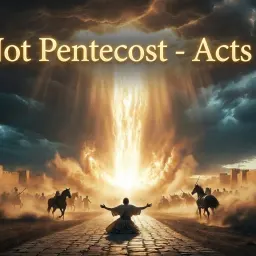
When the Church Began — When Grace Was Given
Posted by Edward Cross on
The Body of Christ did not begin at Pentecost. This article examines why Pentecost fulfilled Joel's prophecy rather than birthing the mystery, how Spirit baptism differs from the baptism of the Holy Ghost, and why the dispensation of grace began when the risen Christ appeared to Paul on the Damascus road.
Where Does Acts End and the Mystery Begin? The Dispensational Boundary
Posted by Edward Cross on
The dispensational boundary is not a single line but a corridor with two walls. The mystery and the Body of Christ began at Acts nine, with Paul; the transitional overlap of Israel's program and the mystery closed at Acts twenty-eight. Not Acts 2 and not Acts 28 — Acts is the record of the transition between the two walls.
Not Everything Paul Did Is What We Do: Transitional Elements in His Acts-Period Ministry
Posted by Edward Cross on
Not everything Paul did during the Acts period is what the Body of Christ practices today. This article identifies the transitional elements — synagogue visitation, sign gifts, water baptism, Jewish observances, the Jerusalem collection — that belonged to the overlap period and have since ceased.

What Are the Remnant Epistles
Posted by Edward Cross on
James, Peter, John, Jude, Hebrews, and Revelation were written to believing Israel under the prophetic program, not to the Body of Christ. This article identifies who wrote them, who they were addressed to, and why their doctrines differ sharply from Paul's letters.
All articles on this topic
Until Jerusalem Says It — The House Left Desolate and the Witness They Refused
Posted by Edward R. Cross on September 21, 2026
Matthew 23:39 makes the second advent wait on one sentence Jerusalem has not yet said. Read the whole paragraph and you find what the sentence is about — their treatment of the men God sends them. They killed the prophets, they stoned Stephen, they refused the apostolic witness. The house stands desolate still.
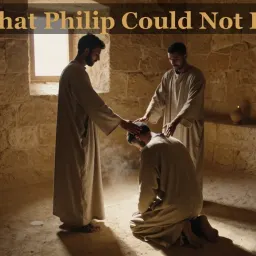
What Philip Could Not Do
Posted by Edward R. Cross on September 18, 2026
Philip preached Christ, cast out devils, healed the lame, and baptized a city — and he could not give the Holy Ghost. Jerusalem had to send apostles. That one limit explains Acts 8, answers Acts 19, and exposes what is being claimed today.

Prove All Things: Answering the Objections to Mid-Acts
Posted by Edward R. Cross on June 26, 2026
When a believer first hears that the Body of Christ began with Paul, the objections come fast. This study takes the strongest arguments against Mid-Acts right division — Pentecost, one body, two gospels, the Great Commission, novelty, and more — and answers each from the Scriptures rightly divided.
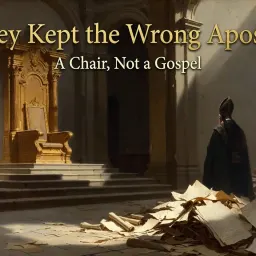
The Church that Kept the Wrong Apostle: Two Departures and What Became of the Remnant
Posted by Edward R. Cross on June 26, 2026
How the post-apostolic church came to keep the wrong apostle — exalting Peter, whom Scripture never made its head, while forsaking Paul. Two departures, the rise of the apostate church, what became of Israel's believing remnant, and the test that still exposes another gospel.
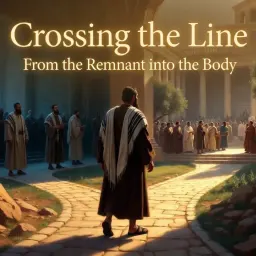
Did Any Remnant Believer Cross Into the Body of Christ?
Posted by Edward R. Cross on June 16, 2026
During the Acts transition, could a believer of Israel's kingdom remnant cross into the Body of Christ? Scripture answers yes, and names the proof: Barnabas, Silas, and Apollos among the Body's own apostles and prophets, a whole assembly at Antioch, and the Israel of God. Yet the programs never merge and the twelve stay fixed.
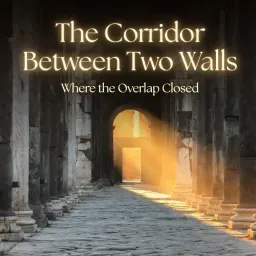
Where Does Acts End and the Mystery Begin? The Dispensational Boundary
Posted by Edward R. Cross on June 16, 2026
The dispensational boundary is not a single line but a corridor with two walls. The mystery and the Body of Christ began at Acts nine, with Paul; the transitional overlap of Israel's program and the mystery closed at Acts twenty-eight. Not Acts 2 and not Acts 28 — Acts is the record of the transition between the two walls.

Did Paul Write Hebrews, and Why It Doesn't Matter
Posted by Edward R. Cross on June 14, 2026
The epistle to the Hebrews names no human author, and faithful men have argued the point for two thousand years. This companion study lays out the full case for Pauline authorship and the full case against, weighs each, and shows why the answer changes no doctrine — a letter is governed by its audience, not its penman.
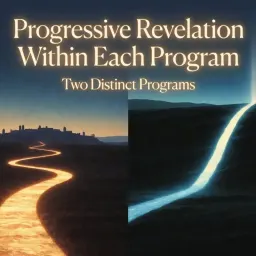
Progressive Revelation Within Each Program — Not Between Them
Posted by Edward R. Cross on June 13, 2026
There is real progressive revelation within each of God's programs, but none between them. The kingdom program does not ripen into the mystery, and the mystery does not collapse back into the kingdom — as Christ's command to keep the law, given after the cross in the Great Commission, makes plain.