The Acts Transition
The book of Acts records a transition: Israel's kingdom program diminishing while the mystery revealed to Paul comes to light. The Body of Christ began with the conversion of Saul in Acts 9, yet signs, the believing remnant and Israel's program continued for a season. These articles trace that transition, from when the Church began to what Paul did then that we do not do now. The epistles written to Israel's remnant have their own topic, The Remnant Epistles.
Start with these
When the Church Began — When Grace Was Given
Posted by Edward Cross on
The Body of Christ did not begin at Pentecost. This article examines why Pentecost fulfilled Joel's prophecy rather than birthing the mystery, how Spirit baptism differs from the baptism of the Holy Ghost, and why the dispensation of grace began when the risen Christ appeared to Paul on the Damascus road.
Where Does Acts End and the Mystery Begin? The Dispensational Boundary
Posted by Edward Cross on
The dispensational boundary is not a single line but a corridor with two walls. The mystery and the Body of Christ began at Acts nine, with Paul; the transitional overlap of Israel's program and the mystery closed at Acts twenty-eight. Not Acts 2 and not Acts 28 — Acts is the record of the transition between the two walls.
Not Everything Paul Did Is What We Do: Transitional Elements in His Acts-Period Ministry
Posted by Edward Cross on
Not everything Paul did during the Acts period is what the Body of Christ practices today. This article identifies the transitional elements — synagogue visitation, sign gifts, water baptism, Jewish observances, the Jerusalem collection — that belonged to the overlap period and have since ceased.
All articles on this topic
Did Any Remnant Believer Cross Into the Body of Christ?
Posted by Edward R. Cross on June 16, 2026
During the Acts transition, could a believer of Israel's kingdom remnant cross into the Body of Christ? Scripture answers yes, and names the proof: Barnabas, Silas, and Apollos among the Body's own apostles and prophets, a whole assembly at Antioch, and the Israel of God. Yet the programs never merge and the twelve stay fixed.
Where Does Acts End and the Mystery Begin? The Dispensational Boundary
Posted by Edward R. Cross on June 16, 2026
The dispensational boundary is not a single line but a corridor with two walls. The mystery and the Body of Christ began at Acts nine, with Paul; the transitional overlap of Israel's program and the mystery closed at Acts twenty-eight. Not Acts 2 and not Acts 28 — Acts is the record of the transition between the two walls.
Begun Together: The Body of Christ and the Dispensation of Grace
Posted by Edward R. Cross on June 11, 2026
Did the Body of Christ and the dispensation of grace begin together, or did the administration start later with the prison epistles? Scripture's answer is that they began together at Acts nine, by the same revelation committed to Paul — the administration of grace cannot be dated apart from the people it governs.
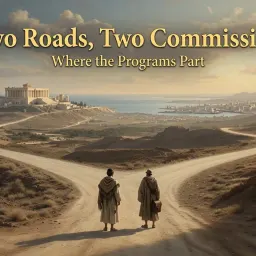
The Holy Apostles of Ephesians 3:5 — Two Apostleships, Two Programs, and Why Paul Names Peter in His Letters
Posted by Edward R. Cross on June 6, 2026
Ephesians 3:5 names holy apostles and prophets who received the mystery — but who are they? Not the Twelve. This article identifies Paul's mystery-age co-laborers, contrasts the two apostleships, explains the Acts-period collision between the two programs, and shows why Peter appears in Paul's letters to Gentile churches.
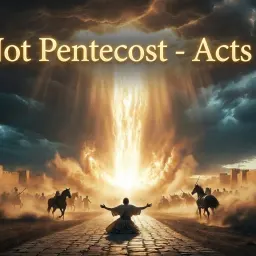
When the Church Began — When Grace Was Given
Posted by Edward R. Cross on June 2, 2026
The Body of Christ did not begin at Pentecost. This article examines why Pentecost fulfilled Joel's prophecy rather than birthing the mystery, how Spirit baptism differs from the baptism of the Holy Ghost, and why the dispensation of grace began when the risen Christ appeared to Paul on the Damascus road.
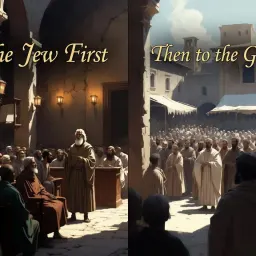
Not Everything Paul Did Is What We Do: Transitional Elements in His Acts-Period Ministry
Posted by Edward R. Cross on June 1, 2026
Not everything Paul did during the Acts period is what the Body of Christ practices today. This article identifies the transitional elements — synagogue visitation, sign gifts, water baptism, Jewish observances, the Jerusalem collection — that belonged to the overlap period and have since ceased.
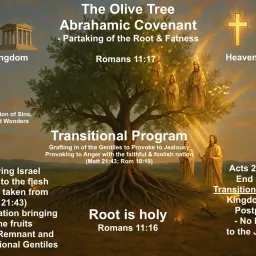
The Olive Tree in Romans 11: Study of the Transitional Graffing, Shared Covenant Blessings, the Warning of Being Cut Off, and the Fulness of the Gentiles
Posted by Edward R. Cross on May 8, 2026
Romans 11 is not describing how the Body of Christ is formed. It is explaining the transitional olive tree during the Acts period, when kingdom blessings were temporarily extended to Gentiles to provoke Israel to jealousy. This article shows what the warning of being cut off means and why the two programs must be kept distinct.
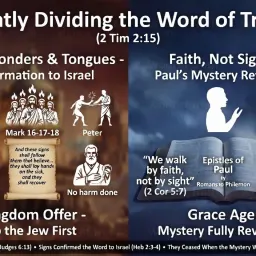
Tongues, Signs, and Healing: Rightly Dividing God's Program for Israel and the Body of Christ
Posted by Edward R. Cross on May 1, 2026
Signs, tongues, and healings were given to confirm the word to Israel during Israel's kingdom program and the transitional Acts period. This article shows why they ceased once the mystery was fully revealed through Paul, and why the Body of Christ walks by faith in the completed word of God, not by sight.