The Holy Spirit & Gifts
Every believer in the Body of Christ is sealed with the Holy Spirit the moment he believes. The sign gifts of tongues and healing belonged to Israel's program and the Acts period, and they have ceased. These articles show what the Spirit does for the believer today, and how it differs from what He did under the prophetic program.
Start with these
The Seal of the Holy Spirit: Sealed Unto the Day of Redemption
Posted by Edward Cross on
Paul states it twice and assumes it everywhere: the believer is sealed with the Holy Spirit the moment he believes, unto the day of redemption. This study traces what the seal is, what the earnest guarantees, and what it means to grieve a Spirit who can never leave the one He has sealed.
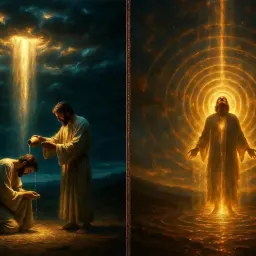
The Anointing of the Spirit: What Changed When the Mystery Was Revealed?
Posted by Edward Cross on
Under the prophetic program the Spirit was poured upon selected individuals externally and conditionally. Under the mystery every believer is sealed with the Holy Spirit the moment they trust Paul's gospel — permanently and universally. This article shows what changed when the mystery was revealed.
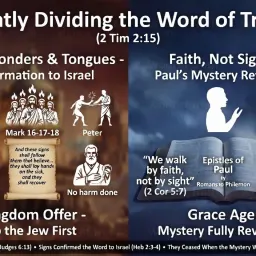
Tongues, Signs, and Healing: Rightly Dividing God's Program for Israel and the Body of Christ
Posted by Edward Cross on
Signs, tongues, and healings were given to confirm the word to Israel during Israel's kingdom program and the transitional Acts period. This article shows why they ceased once the mystery was fully revealed through Paul, and why the Body of Christ walks by faith in the completed word of God, not by sight.
All articles on this topic
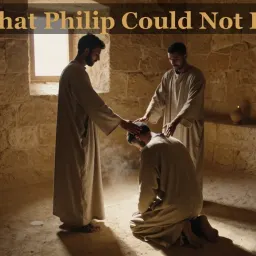
What Philip Could Not Do
Posted by Edward R. Cross on September 18, 2026
Philip preached Christ, cast out devils, healed the lame, and baptized a city — and he could not give the Holy Ghost. Jerusalem had to send apostles. That one limit explains Acts 8, answers Acts 19, and exposes what is being claimed today.
One Means One: The Baptism of Ephesians 4:5
Posted by Edward R. Cross on September 17, 2026
Paul says there is one baptism. The usual answer is that he means one chief baptism among several. This study tests that reading against every place the word one stands in the Bible, and then against the sentence Paul actually wrote.
Thou Shalt Know Hereafter: What Peter Would Learn from the Foot Washing
Posted by Edward R. Cross on August 11, 2026
When Jesus told Peter he would know hereafter, what would Peter come to understand? Rightly divided, the foot washing belongs to Israel's kingdom program — leadership training for the twelve, grasped after Pentecost, not the Pauline mystery. It also shows why foot washing is no ordinance for the Body, and why we take our humility from Paul.
Rightly Dividing Church Leadership: The Bishop, the Elder, and the Pastor
Posted by Edward R. Cross on June 24, 2026
Tradition stacks archbishop over bishop and a clergy over the laity. Paul is simpler: two offices, bishop and deacon; bishop, elder, overseer, and pastor are one man and one work; the qualifications are for entering the office, not a standing audit; and ordination is the recognition of a proven man, never a sacrament.
The Deacon: A Servant in the House of God
Posted by Edward R. Cross on June 22, 2026
Tradition makes the deacon a board member with a vote. Scripture makes him a servant. The word appears only in Philippians and 1 Timothy, and Paul defines the man, not a board — a proven, faithful servant-minister of the local assembly, not a teacher, not a ruler, and never one of the gifts given to the Body of Christ.
The Seal of the Holy Spirit: Sealed Unto the Day of Redemption
Posted by Edward R. Cross on June 16, 2026
Paul states it twice and assumes it everywhere: the believer is sealed with the Holy Spirit the moment he believes, unto the day of redemption. This study traces what the seal is, what the earnest guarantees, and what it means to grieve a Spirit who can never leave the one He has sealed.
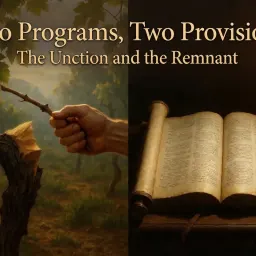
Ye Know All Things — Rightly Dividing the Remnant's Unction
Posted by Edward R. Cross on June 4, 2026
The unction of 1 John 2:20 is the specific New Covenant provision given to believing Israel — rooted in Jeremiah, Ezekiel, and Joel, and promised by Christ to His Jewish disciples in the upper room. It is not a general Christian experience, and Paul never uses it to describe the Body of Christ.

When the Church Began — When Grace Was Given
Posted by Edward R. Cross on June 2, 2026
The Body of Christ did not begin at Pentecost. This article examines why Pentecost fulfilled Joel's prophecy rather than birthing the mystery, how Spirit baptism differs from the baptism of the Holy Ghost, and why the dispensation of grace began when the risen Christ appeared to Paul on the Damascus road.