The Church & Its Practices
What should the Body of Christ practice when it gathers? Paul's epistles answer plainly: one baptism, by the Spirit into the Body of Christ; the Lord's Supper as a memorial; and simple leadership by bishops and deacons, not the rituals carried over from Israel's program. These articles test common church practices against what Paul actually taught.
Start with these

Why Water Baptism Is Not for Today
Posted by Edward Cross on
Water baptism belonged to Israel's kingdom program and the transitional Acts period. Paul was not sent to baptize but to preach the gospel. This article shows the one baptism for the Body of Christ is the Spirit's placement into one Body the moment a sinner believes — and why adding water misapplies Israel's ordinance.
One Means One: The Baptism of Ephesians 4:5
Posted by Edward Cross on
Paul says there is one baptism. The usual answer is that he means one chief baptism among several. This study tests that reading against every place the word one stands in the Bible, and then against the sentence Paul actually wrote.
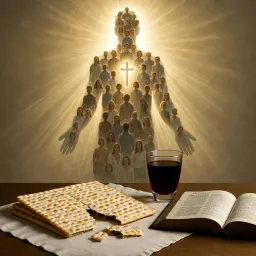
The Lord's Supper: A Pauline Memorial for the Body of Christ - Rightly Divided - Not a Religious Test, Not a Kingdom Ritual, But a Gracious Reminder of Grace
Posted by Edward Cross on
The Lord's Supper is a Pauline memorial for the Body of Christ — not a New Covenant ordinance, not a sacrament, and not a test of worthiness. This article examines the Corinthian abuse, the neglect behind verse 30, and how to observe the memorial as a joyful reminder of the finished work of Christ.
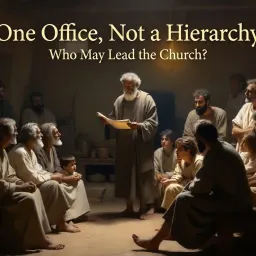
Rightly Dividing Church Leadership: The Bishop, the Elder, and the Pastor
Posted by Edward Cross on
Tradition stacks archbishop over bishop and a clergy over the laity. Paul is simpler: two offices, bishop and deacon; bishop, elder, overseer, and pastor are one man and one work; the qualifications are for entering the office, not a standing audit; and ordination is the recognition of a proven man, never a sacrament.
All articles on this topic

Do You Believe Jesus Is the Son of God? What a Yes Does Not Tell You
Posted by Edward R. Cross on October 8, 2026
A preacher told of a street evangelist who asked drivers at a red light whether they believed Jesus is the Son of God, and took a yes for a convert. The question is Scripture and the answer is true. This study sets out what the kingdom was told to believe, what Paul says to believe, and what a yes to that one question does not show.
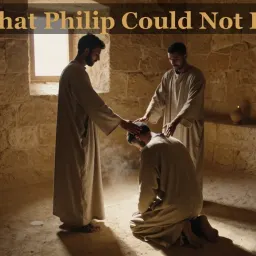
What Philip Could Not Do
Posted by Edward R. Cross on September 18, 2026
Philip preached Christ, cast out devils, healed the lame, and baptized a city — and he could not give the Holy Ghost. Jerusalem had to send apostles. That one limit explains Acts 8, answers Acts 19, and exposes what is being claimed today.
One Means One: The Baptism of Ephesians 4:5
Posted by Edward R. Cross on September 17, 2026
Paul says there is one baptism. The usual answer is that he means one chief baptism among several. This study tests that reading against every place the word one stands in the Bible, and then against the sentence Paul actually wrote.
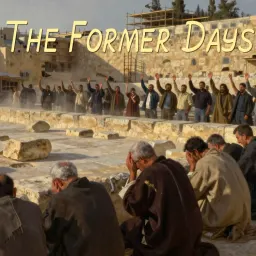
The Former Days Were Not Better — Nostalgia, the Christian Nation, and the Post You Were Given
Posted by Edward R. Cross on September 1, 2026
Believers ache for a past that was more moral and more Christian, and grieve a covenant they believe the nation broke. But the remembered age never existed as remembered, no Gentile nation was ever in covenant with God, and Scripture rebukes the longing itself. A look at nostalgia, the Christian nation, and the post God actually gave you.
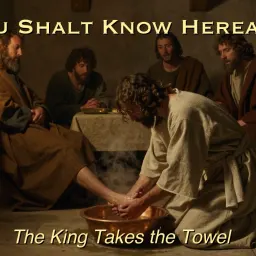
Thou Shalt Know Hereafter: What Peter Would Learn from the Foot Washing
Posted by Edward R. Cross on August 11, 2026
When Jesus told Peter he would know hereafter, what would Peter come to understand? Rightly divided, the foot washing belongs to Israel's kingdom program — leadership training for the twelve, grasped after Pentecost, not the Pauline mystery. It also shows why foot washing is no ordinance for the Body, and why we take our humility from Paul.

Grace Giving: What Replaces the Tithe in Practice
Posted by Edward R. Cross on June 30, 2026
The tithe was Israel's law, never laid on the body of Christ — so what replaces it? Paul gives something freer than a percentage: cheerful, purposed, proportionate giving that flows from grace already received. This study shows where grace giving comes from, what governs it, and where the gift goes.
Does Sharing a Prayer Request Get God's Attention?
Posted by Edward R. Cross on June 26, 2026
Two beliefs run on one mistake: that sharing a prayer request gets God's attention and a quicker answer, and that making a need known is weak faith or manipulation. Both borrow Israel's kingdom machinery of importunity, numbers, and pooling. The Body already has access; disclosure is fellowship, not a lever, and the sin lies only in the manner.
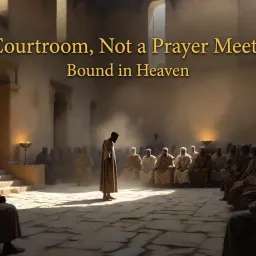
Where Two or Three are Gathered: A Courtroom, Not a Prayer Meeting
Posted by Edward R. Cross on June 26, 2026
Matthew 18:20 is read as a prayer-meeting promise, and binding and loosing as a tool for spiritual warfare. In its paragraph it is kingdom discipline — witnesses, a verdict bound in heaven, the King presiding over Israel's assembly. The Body of Christ holds no such keys; its discipline corrects the walk and never touches the sealed standing.