Hebrews & the Priesthood
The book of Hebrews was written to believing Israel, and its priesthood, its sacrifices and its warnings belong to Israel's program. The Body of Christ needs no high priest or advocate: it stands complete in Christ. These articles read Hebrews in its own setting, and answer the verses from it most often applied to the Body of Christ.
Start with these
Who Was the Book of Hebrews Written To?
Posted by Edward Cross on
The book of Hebrews was written to believing Israel — the scattered remnant tempted to return to the temple — not to the Body of Christ. Seeing the audience rightly settles its covenant, its priesthood, its warnings about falling away, and its earthly hope, and leaves the grace believer's assurance untouched.
Does the Body of Christ Need a High Priest? Why the Whole Priesthood Belongs to Israel's Program
Posted by Edward Cross on
Does the Body of Christ need a High Priest? The whole priesthood — Aaronic and Melchisedec alike — belongs to Israel's program. Paul never calls Christ the High Priest of the Body; he calls Him our Head, Savior, and one Mediator. This study makes the case and answers the Romans 8:34 and Hebrews objections.
Must We Come to the Throne of Grace? Why Hebrews 4:16 Is Not Written to the Body of Christ
Posted by Edward Cross on
Hebrews 4:16 tells its readers to come to the throne of grace to obtain mercy and find grace in time of need. But Paul tells the Body of Christ we already stand in grace, seated in Christ, blessed with all spiritual blessings. Here is why that beloved verse belongs to Israel's believing remnant, not to us.
A Priest Upon His Throne: Israel's Restored Priesthood in the Kingdom
Posted by Edward Cross on
The Scriptures seem to clash: Hebrews says the priesthood is changed, the prophets say Levi's priesthood is everlasting. Rightly divided, both are true. They unveil Israel's restored kingdom priesthood, Christ the King-Priest after Melchisedec presiding over the sons of Zadok in a rebuilt temple, a glory wholly separate from the Body of Christ.
All articles on this topic
Redemption Is Not a Covenant Remedy — Answering a Preterist Use of Hebrews 9:15
Posted by Edward R. Cross on September 6, 2026
A graphic circulating online asks how a man never under the first covenant could be redeemed from transgressions under it. The question carries a premise it never states: that the only redemption there is, is redemption from covenant transgressions. Paul says guilt reached men who never had a covenant to break, and so does the remedy.
Roman Catholicism Follows Neither Christ, Peter, nor Paul: The Church That Claims All Three and Keeps None
Posted by Edward R. Cross on July 2, 2026
Rome claims to follow Christ, Peter, and Paul — and by right division it follows none of the three. A stand-alone study of the papacy, the Mass, Mary, purgatory, confession, and tradition, showing that Rome, the Eastern churches, and Rome's Reformation daughters share one ancient error: works added to the finished work of Christ.

Did Paul Write Hebrews, and Why It Doesn't Matter
Posted by Edward R. Cross on June 14, 2026
The epistle to the Hebrews names no human author, and faithful men have argued the point for two thousand years. This companion study lays out the full case for Pauline authorship and the full case against, weighs each, and shows why the answer changes no doctrine — a letter is governed by its audience, not its penman.

Who Was the Book of Hebrews Written To?
Posted by Edward R. Cross on June 13, 2026
The book of Hebrews was written to believing Israel — the scattered remnant tempted to return to the temple — not to the Body of Christ. Seeing the audience rightly settles its covenant, its priesthood, its warnings about falling away, and its earthly hope, and leaves the grace believer's assurance untouched.
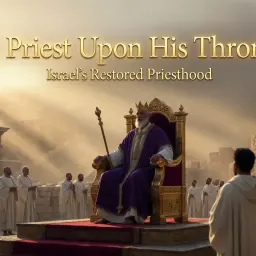
A Priest Upon His Throne: Israel's Restored Priesthood in the Kingdom
Posted by Edward R. Cross on June 12, 2026
The Scriptures seem to clash: Hebrews says the priesthood is changed, the prophets say Levi's priesthood is everlasting. Rightly divided, both are true. They unveil Israel's restored kingdom priesthood, Christ the King-Priest after Melchisedec presiding over the sons of Zadok in a rebuilt temple, a glory wholly separate from the Body of Christ.

Does the Body of Christ Need a High Priest? Why the Whole Priesthood Belongs to Israel's Program
Posted by Edward R. Cross on June 12, 2026
Does the Body of Christ need a High Priest? The whole priesthood — Aaronic and Melchisedec alike — belongs to Israel's program. Paul never calls Christ the High Priest of the Body; he calls Him our Head, Savior, and one Mediator. This study makes the case and answers the Romans 8:34 and Hebrews objections.

Does the Body of Christ Need an Advocate? Why a Settled Standing Needs No Pleader
Posted by Edward R. Cross on June 12, 2026
Christendom pictures Christ as our Advocate, forever pleading our case before the Father. But Paul never once calls Him our Advocate, and the Body has a standing no accusation can touch. Here is why the Advocate of 1 John belongs to Israel's believing remnant, and why our settled completeness in Christ needs no pleader.

Must We Come to the Throne of Grace? Why Hebrews 4:16 Is Not Written to the Body of Christ
Posted by Edward R. Cross on June 12, 2026
Hebrews 4:16 tells its readers to come to the throne of grace to obtain mercy and find grace in time of need. But Paul tells the Body of Christ we already stand in grace, seated in Christ, blessed with all spiritual blessings. Here is why that beloved verse belongs to Israel's believing remnant, not to us.