Paul & His Apostleship
Why Paul? Because the risen Lord Jesus Christ chose him as the apostle of the Gentiles and revealed to him the mystery kept secret since the world began. Paul's gospel and apostleship are distinct from the ministry of the twelve, and following Paul is how the Body of Christ follows Christ today. These articles show what Paul received, how his apostleship differs from Peter's, and why his epistles are the commandments of the Lord for this age.
Start with these
Following Paul Is Following Christ — and Not Following Paul Is Disobedience to Christ
Posted by Edward Cross on
The risen Christ appeared to Paul, commissioned him, and made his letters the commandments of the Lord for this age. To follow Paul is to follow the Christ who appointed him. And to neglect Paul is not superior devotion to Jesus — it is disobedience to the risen Lord who sent your apostle to you.
When Did Paul's Gospel Begin?
Posted by Edward Cross on
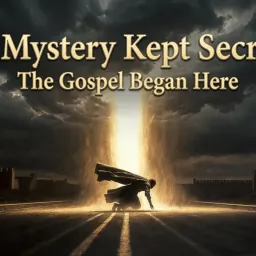
Paul's gospel was a mystery kept secret since the world began, given by direct revelation of the risen Christ at Acts 9. This article shows why it could not have been preached before Paul, and why his very forgiveness as a blasphemer proves an entirely new dispensation had begun.
The Holy Apostles of Ephesians 3:5 — Two Apostleships, Two Programs, and Why Paul Names Peter in His Letters
Posted by Edward Cross on
Ephesians 3:5 names holy apostles and prophets who received the mystery — but who are they? Not the Twelve. This article identifies Paul's mystery-age co-laborers, contrasts the two apostleships, explains the Acts-period collision between the two programs, and shows why Peter appears in Paul's letters to Gentile churches.
The Commandments of the Lord: Why Paul's Commandments Are Not a New Law
Posted by Edward Cross on
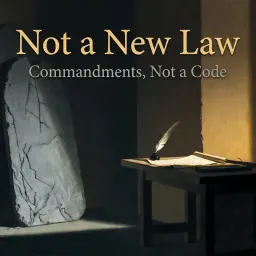
Paul calls his own writings the commandments of the Lord, yet says we are not under law but under grace. Both stand. A law conditions standing on performance and curses failure; Paul's commandments are given to sons already accepted, touch the walk but never the standing, come with the Spirit's power, and are fulfilled in liberty and love.
All articles on this topic
Is Your Child Really a Prodigal?
Posted by Edward R. Cross on June 19, 2026
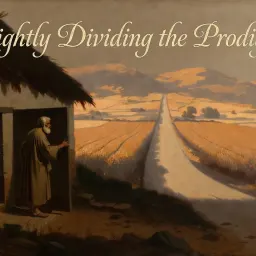
The parable of the prodigal son belongs to Israel's kingdom program, not to the Body of Christ. Rightly divided, it reframes the wayward child entirely — a saved child never loses his standing or fellowship, and a lost child needs the gospel of grace, not a works-earned homecoming.
Did Any Remnant Believer Cross Into the Body of Christ?
Posted by Edward R. Cross on June 16, 2026
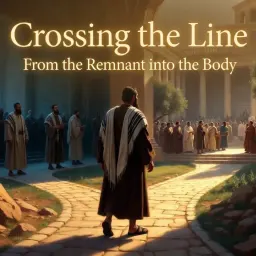
During the Acts transition, could a believer of Israel's kingdom remnant cross into the Body of Christ? Scripture answers yes, and names the proof: Barnabas, Silas, and Apollos among the Body's own apostles and prophets, a whole assembly at Antioch, and the Israel of God. Yet the programs never merge and the twelve stay fixed.

Begun Together: The Body of Christ and the Dispensation of Grace
Posted by Edward R. Cross on June 11, 2026
Did the Body of Christ and the dispensation of grace begin together, or did the administration start later with the prison epistles? Scripture's answer is that they began together at Acts nine, by the same revelation committed to Paul — the administration of grace cannot be dated apart from the people it governs.

The Blood of Christ and the Preaching of the Cross: Why Paul Could Not Preach a Bloodless or Generic Death
Posted by Edward R. Cross on June 11, 2026
The blood of Christ is the heart of the gospel Paul preached. This study traces what the blood accomplishes — propitiation, redemption, justification, reconciliation — and shows why Christ could not save by dying just any way. The shed blood and the cross were necessary, foretold in the Scriptures, and proven accepted by the resurrection.

Rightly Dividing or Wrongly Accusing: A Response to Ruckman's Attack on Mid-Acts Dispensationalism
Posted by Edward R. Cross on June 10, 2026
Peter Ruckman's 1985 booklet attacking Mid-Acts dispensationalism substitutes ridicule for exegesis. This systematic response examines each argument on its merits, showing that his scriptural case is weaker than his confidence suggests and that Paul's plain words about his own gospel are best taken at face value.
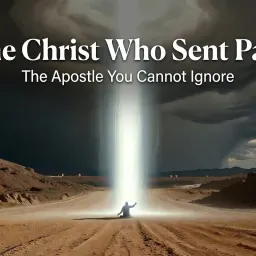
Following Paul Is Following Christ — and Not Following Paul Is Disobedience to Christ
Posted by Edward R. Cross on June 6, 2026
The risen Christ appeared to Paul, commissioned him, and made his letters the commandments of the Lord for this age. To follow Paul is to follow the Christ who appointed him. And to neglect Paul is not superior devotion to Jesus — it is disobedience to the risen Lord who sent your apostle to you.
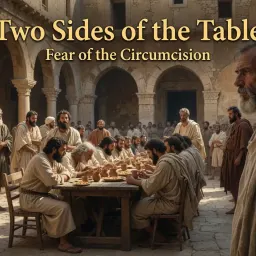
Paul Was Right — The Antioch Incident of Galatians 2:11-14
Posted by Edward R. Cross on June 6, 2026
At Antioch, Paul withstood Peter to the face. Understanding why he was right — and what he was actually defending — reaches further than most readers expect. This was not only a dispute about how someone is saved. It was a dispute about how a saved person lives.
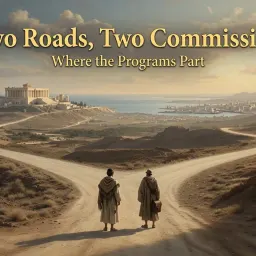
The Holy Apostles of Ephesians 3:5 — Two Apostleships, Two Programs, and Why Paul Names Peter in His Letters
Posted by Edward R. Cross on June 6, 2026
Ephesians 3:5 names holy apostles and prophets who received the mystery — but who are they? Not the Twelve. This article identifies Paul's mystery-age co-laborers, contrasts the two apostleships, explains the Acts-period collision between the two programs, and shows why Peter appears in Paul's letters to Gentile churches.