The King James Bible
God promised to preserve His words, and the King James Bible is His preserved word in English. These articles explain why we hold the King James as our final authority, answer the arguments raised against it, show what is lost when its words are changed, and show how the Bible is read, divided and handled.
Start with these
Preserved, Not Re-Inspired: Why We Hold the King James
Posted by Edward Cross on
A defense of the King James as the providentially preserved word of God in English: that God promised to keep His words, that preservation runs through the received stream rather than the Alexandrian text behind the modern versions, and that the King James is final authority for the Body of Christ — preserved, not re-inspired.

The Defenders of the King James: The Question Beneath the Manuscripts
Posted by Edward Cross on
A companion to Preserved, Not Re-Inspired. Beneath the manuscript debate lies a question about God: would He hold His people accountable to His word and leave them unable to know which words are His? This piece weighs the defenders worth reading and those to be read with discernment, and draws the line between preservation and re-inspiration.

Archaic, Not Ornamental — What Is Lost Without the Thees and Thous
Posted by Edward Cross on
The most common complaint against the King James is that its archaic words make it hard to understand. But the thees and thous are not decoration — they are working parts, telling the reader whether God is speaking to one man or to a multitude. Modern English idiom has no second word to mark that, and this is what is lost when they go.
All articles on this topic
The Bible as Source, Not Support
Posted by Edward R. Cross on June 8, 2026
The Bible is meant to be the source of doctrine, not merely its support. This article examines the difference between honest and deceitful handling of the word of God — proof-texting, the 'I've got a verse!' mentality, and how traditions depend on imprecision to survive — with examples from James 2, Acts 2:38, and Matthew 28.
Borrowed Words, Borrowed Doctrine
Posted by Edward R. Cross on June 5, 2026
Religious vocabulary borrowed from the wrong program imports the wrong doctrine along with it. This article examines how words like worship, disciple, born again, tithing, and church carry their original program into the Body of Christ when applied incorrectly, and why Paul commanded holding fast the form of sound words.
Greek or Gentile? Paul Uses Both Words for the Same Person
Posted by Edward R. Cross on June 5, 2026
When someone claims that swapping Greek for Gentile distorts Paul, the KJV itself answers the objection. In Romans 1-3, the KJV renders the same category as both Greek and Gentile within the same argument. Paul was the apostle of the Gentiles, not the Greeks.

Let's Go Soul Winning or Let's Go Witnessing. Which is Right?
Posted by Edward R. Cross on June 4, 2026
Both soul winning and witnessing are borrowed from programs that do not belong to the Body of Christ. This article examines Paul's actual commission and vocabulary for declaring the gospel of grace, and why neither term captures what he was actually doing.
The Worldly Church: How Secular Philosophy Has Invaded the House of God
Posted by Edward R. Cross on May 28, 2026
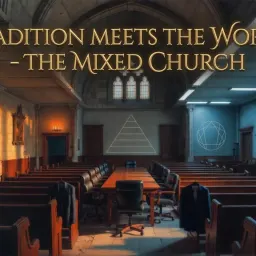
The church has borrowed so heavily from secular philosophy, personality science, corporate management theory, and therapy culture that it can be difficult to distinguish from a well-funded community center. This article examines the most prominent intrusions and calls the church back to the sufficiency of Paul's epistles.

Feigned Faith of the Fathers
Posted by Edward R. Cross on October 7, 2023
Claiming promises God never made to the Body of Christ is feigned faith — pretense rather than genuine trust in the rightly divided word. This article shows what real faith looks like under grace and why applying Israel's conditional promises to yourself misrepresents God and produces vain jangling.

The Mystery of Faith - Part 1
Posted by Edward R. Cross on October 4, 2023
The faith Paul calls a mystery is not personal faith but the faith of Jesus Christ — His faithfulness — which is the basis of the believer's justification before God. Part one traces the distinction between personal faith in the Old Testament and the faith of Christ revealed to Paul for the dispensation of grace.
The Mystery of Faith - Part 2
Posted by Edward R. Cross on October 4, 2023
Part two continues the examination of the faith of Christ, showing why this mystery is superior to personal faith and why the believer's confidence rests in Christ's faithfulness rather than their own capacity to believe. If we believe not, yet he abideth faithful.