The King James Bible
God promised to preserve His words, and the King James Bible is His preserved word in English. These articles explain why we hold the King James as our final authority, answer the arguments raised against it, show what is lost when its words are changed, and show how the Bible is read, divided and handled.
Start with these
Preserved, Not Re-Inspired: Why We Hold the King James
Posted by Edward Cross on
A defense of the King James as the providentially preserved word of God in English: that God promised to keep His words, that preservation runs through the received stream rather than the Alexandrian text behind the modern versions, and that the King James is final authority for the Body of Christ — preserved, not re-inspired.
The Defenders of the King James: The Question Beneath the Manuscripts
Posted by Edward Cross on
A companion to Preserved, Not Re-Inspired. Beneath the manuscript debate lies a question about God: would He hold His people accountable to His word and leave them unable to know which words are His? This piece weighs the defenders worth reading and those to be read with discernment, and draws the line between preservation and re-inspiration.
Archaic, Not Ornamental — What Is Lost Without the Thees and Thous
Posted by Edward Cross on
The most common complaint against the King James is that its archaic words make it hard to understand. But the thees and thous are not decoration — they are working parts, telling the reader whether God is speaking to one man or to a multitude. Modern English idiom has no second word to mark that, and this is what is lost when they go.
All articles on this topic
A World Before Adam? What Genesis 1:2 Says, and What Is Read Into It
Posted by Edward R. Cross on October 21, 2026
Many were taught that a world rose and fell between the first two verses of the Bible, ruined by Satan's fall and a flood, with a race before Adam. This study takes the ruin, the cause and the race to the King James text, verse by verse, and marks where the text stops and the argument goes on.
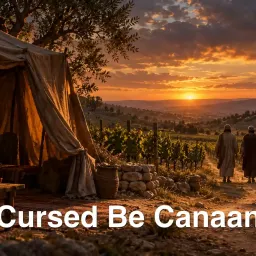
The Curse on Canaan: What Genesis 9 Says and What Has Been Read Into It
Posted by Edward R. Cross on October 21, 2026
Genesis 9 curses Canaan, blesses Shem and Japheth, and says nothing of skin, Africa or a race of servants. This article reads the passage word by word, traces the three lines through the rest of Genesis, and asks each popular claim for its verse.

The Sons of God of Genesis 6: What the Text Proves and What It Does Not
Posted by Edward R. Cross on October 21, 2026
The sons of God of Genesis 6 were angels, and Genesis, Job and Jude show it. This article sets out what the text proves one step at a time, then asks each speculation for its verse: the Book of Enoch, blood and DNA, a surviving bloodline, aliens, devils, and Daniel 2:43.
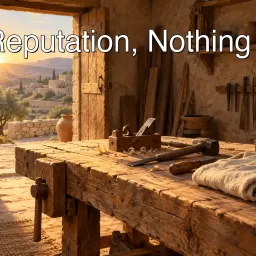
Made of No Reputation: What Philippians 2:7 Says and What It Does Not
Posted by Edward R. Cross on October 9, 2026
What did Christ do when He made himself of no reputation? The verse names one act, and the King James defines its words. This study shows what that act was, what belongs to His manhood, how Mark 13:32 reads, and what mind Paul tells the believer to have.
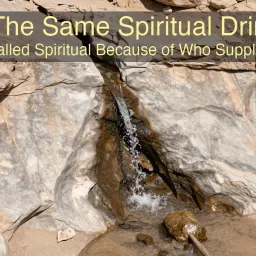
Ye Which Are Spiritual — Paul's Word Names a Source, Not a Feeling
Posted by Edward R. Cross on September 12, 2026
Ask ten believers what spiritual means and you will get atmosphere, feeling, and fervency. Paul wrote twenty-three of the Bible's twenty-six occurrences of the word, and he never once uses it of a feeling. This article traces what it actually marks — a source and a realm — and what that settles about a brother who has fallen.
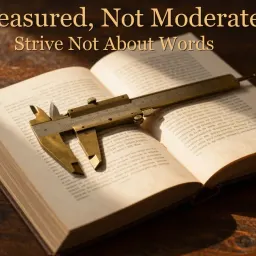
Accuracy and Precision Is Not Excess
Posted by Edward R. Cross on September 8, 2026
Make a careful distinction from the text and the answer comes back as a prefix — hyper, ultra, too far. Then a verse arrives to enforce it. But Paul never wrote strive not about words, and the sentence used to forbid precision commands it in the very next breath.

The Fold Is a Place, Not a People — Rightly Dividing the Other Sheep of John 10:16
Posted by Edward R. Cross on September 6, 2026
Who are the other sheep of John 10:16? The dispute turns on a word neither side had stopped to define. Scripture uses fold of a place — something built, entered, left or become — and never once of a people. Define the word and the sentence reads itself: Israel's own scattered, brought back to one fold under one shepherd.
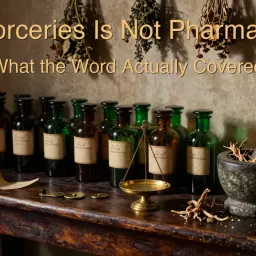
Sorceries Is Not Pharmacy — What the Word Actually Covered
Posted by Edward R. Cross on August 26, 2026
You have probably heard that the word translated sorceries is where we get our word pharmacy, and that Revelation therefore condemns the drug industry. This examines the method behind that claim, why the passages themselves refuse it, and what your King James already tells you without help from a lexicon.