Featured Articles

Library of Articles
One Means One: The Baptism of Ephesians 4:5
Posted by Edward R. Cross on September 17, 2026
Paul says there is one baptism. The usual answer is that he means one chief baptism among several. This study tests that reading against every place the word one stands in the Bible, and then against the sentence Paul actually wrote.
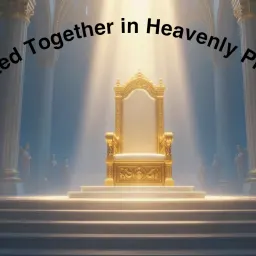
Seated Together in Heavenly Places — What It Means to Be Seated in Christ
Posted by Edward R. Cross on August 13, 2026
Paul says God hath made us sit together in heavenly places in Christ Jesus. Being seated is not the believer's location, nor merely his posture, but his position — a finished, shared, heavenly, and permanent place in the risen Christ, a seat that is also a throne. Here is what the seat means, and what it does not.

The Lamb's Wife: Why the Body of Christ Is Not the Bride
Posted by Edward R. Cross on June 24, 2026
The church is called the body of Christ, never the bride. Ephesians 5 ends not in betrothal but in one body, His own flesh and bones. The bride, the Lamb's wife, is the New Jerusalem, the covenant people of Israel married, put away, and brought home. Rightly divided, the wife is Israel and the Body is nearer than a bride.

The Seal of the Holy Spirit: Sealed Unto the Day of Redemption
Posted by Edward R. Cross on June 16, 2026
Paul states it twice and assumes it everywhere: the believer is sealed with the Holy Spirit the moment he believes, unto the day of redemption. This study traces what the seal is, what the earnest guarantees, and what it means to grieve a Spirit who can never leave the one He has sealed.

The Holy Apostles of Ephesians 3:5 — Two Apostleships, Two Programs, and Why Paul Names Peter in His Letters
Posted by Edward R. Cross on June 6, 2026
Ephesians 3:5 names holy apostles and prophets who received the mystery — but who are they? Not the Twelve. This article identifies Paul's mystery-age co-laborers, contrasts the two apostleships, explains the Acts-period collision between the two programs, and shows why Peter appears in Paul's letters to Gentile churches.