Featured Articles
Library of Articles

Made of No Reputation: What Philippians 2:7 Says and What It Does Not
Posted by Edward R. Cross on October 9, 2026
What did Christ do when He made himself of no reputation? The verse names one act, and the King James defines its words. This study shows what that act was, what belongs to His manhood, how Mark 13:32 reads, and what mind Paul tells the believer to have.

Do You Believe Jesus Is the Son of God? What a Yes Does Not Tell You
Posted by Edward R. Cross on October 8, 2026
A preacher told of a street evangelist who asked drivers at a red light whether they believed Jesus is the Son of God, and took a yes for a convert. The question is Scripture and the answer is true. This study sets out what the kingdom was told to believe, what Paul says to believe, and what a yes to that one question does not show.

The Fold Is a Place, Not a People — Rightly Dividing the Other Sheep of John 10:16
Posted by Edward R. Cross on September 6, 2026
Who are the other sheep of John 10:16? The dispute turns on a word neither side had stopped to define. Scripture uses fold of a place — something built, entered, left or become — and never once of a people. Define the word and the sentence reads itself: Israel's own scattered, brought back to one fold under one shepherd.
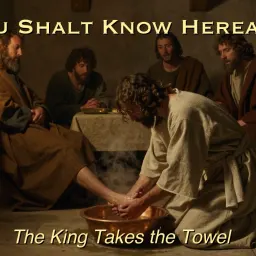
Thou Shalt Know Hereafter: What Peter Would Learn from the Foot Washing
Posted by Edward R. Cross on August 11, 2026
When Jesus told Peter he would know hereafter, what would Peter come to understand? Rightly divided, the foot washing belongs to Israel's kingdom program — leadership training for the twelve, grasped after Pentecost, not the Pauline mystery. It also shows why foot washing is no ordinance for the Body, and why we take our humility from Paul.
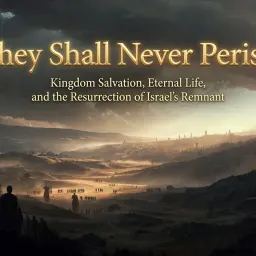
They Shall Never Perish: Kingdom Salvation, Eternal Life, and the Resurrection of Israel's Remnant
Posted by Edward R. Cross on June 8, 2026
Christ promised His sheep eternal life and that they would never perish — and He meant it. But that promise belongs to the prophetic program for Israel and operates within a precise resurrection sequence. This article traces who enters the kingdom and in what condition, what the strong delusion is, and why Paul's mystery program stands apart.
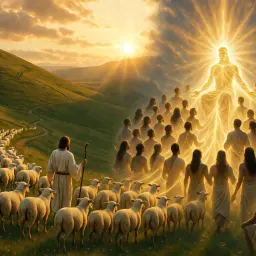
Rightly Dividing the Sheep and Shepherd Metaphor in Scripture
Posted by Edward R. Cross on May 5, 2026
The sheep and shepherd metaphor belongs to Israel's prophetic kingdom program, not the Body of Christ. Paul never calls believers sheep. This article shows the difference between Israel's earthly fold under the Shepherd-King and the Body's heavenly identity as living members of Christ.
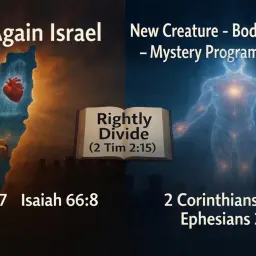
Born Again, Born of the Spirit, and Born After the Spirit: Rightly Dividing Israel's Kingdom Hope from Our New Creature Reality
Posted by Edward R. Cross on May 2, 2026
Born again is kingdom language Christ spoke to a ruler of Israel about national new birth and entrance into the earthly kingdom. Paul's language for the Body of Christ is the new creature, quickened together with Christ and seated in heavenly places. This article shows the distinction and why it matters.
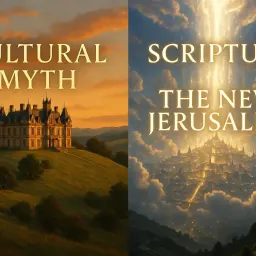
No Mansion For You: Why John 14 Was Not Written to the Body of Christ
Posted by Edward R. Cross on April 5, 2026
Jesus was not speaking to the Body of Christ in John 14. The Father's house and prepared place belong to the little flock of Israel awaiting the earthly kingdom and the New Jerusalem. This article shows what the Body of Christ is actually promised — a heavenly hope far greater than a room in a city.